
Estimated reading time: 6 minutes
“Let them go on a good day” is a compassionate philosophy about timing end-of-life decisions for animals, especially horses.
It means choosing euthanasia before a crisis forces the decision, while the horse is still relatively comfortable, able to enjoy parts of life, and not in severe distress.
Here’s the heart of it:
Avoiding unnecessary suffering
Horses are stoic. By the time they clearly show pain, they’re often already struggling significantly. Waiting for a “bad day” can mean colic, a catastrophic fall, inability to stand, or severe pain that comes on suddenly and intensely. A “good day” decision prevents that kind of emergency suffering.
Preserving dignity
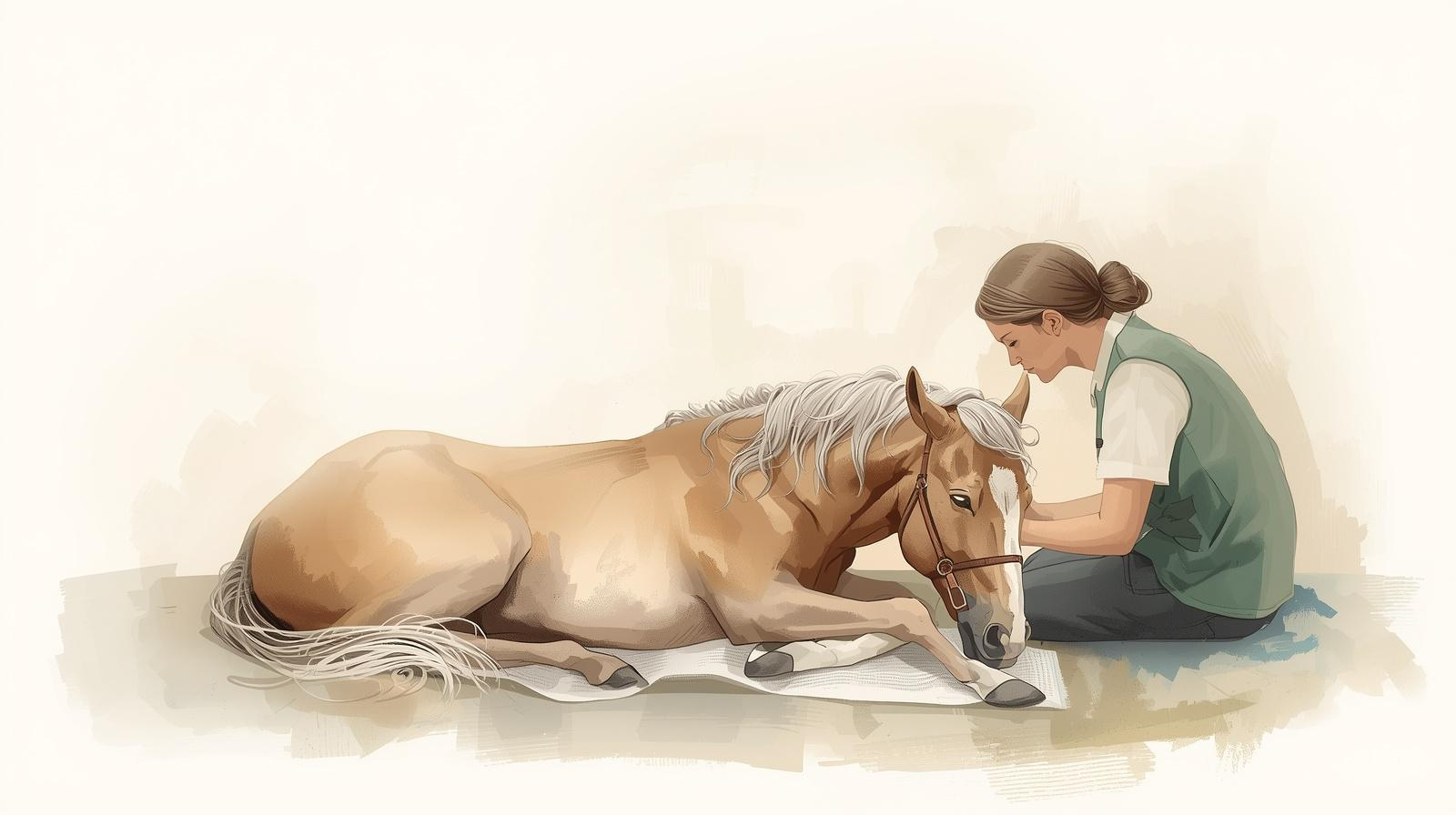
Instead of their final moments being filled with fear, confusion, or physical distress, the horse experiences a calm, familiar environment, often with the people they trust. Their last memory is a peaceful one, not a traumatic event.
They live in the present
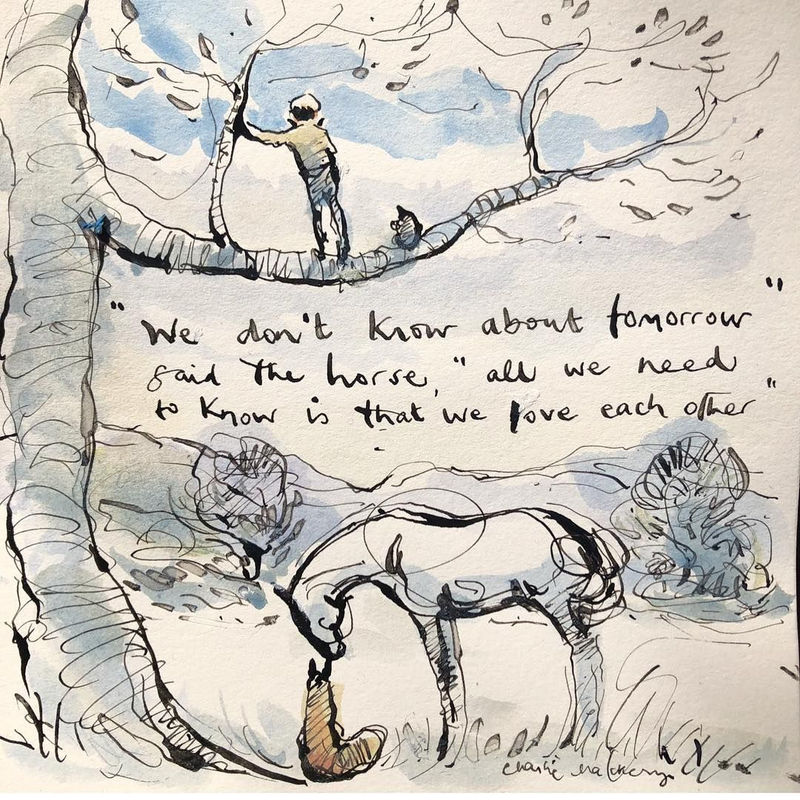
Horses don’t anticipate the future. They’re not thinking, “I could have had two more weeks.” They only experience how they feel right now. If “right now” is still okay, choosing that moment spares them from the inevitable decline that’s coming.
Shifting the burden from them to us
This is the hardest part. Waiting too long often serves the human need for more time, not the
animal’s well-being. Letting them go on a good day means accepting that emotional weight so
they never have to carry physical suffering.
A peaceful goodbye vs. a crisis goodbye
A good-day goodbye can be intentional: favorite treats, grooming, sunshine, quiet companionship. Choosing euthanasia on a “good day” means:
- They are still comfortable, aware, and able to experience some of the things they enjoy
- They are not in crisis or panic
- Their final moments can be calm, familiar, and surrounded by people they trust
It shifts the focus from reacting to suffering to preventing it.
A bad-day goodbye is often rushed, stressful, and filled with urgency and regret. A “bad day” might mean severe pain, fear, inability to stand, labored breathing, or a medical emergency.
Those moments can be distressing not just physically, but emotionally for the animal too.
A lot of veterinarians describe it this way: it’s better to say goodbye a week too early than a day too late. Waiting for a clear “bad enough” moment often means the animal has already endured
more discomfort than we would have wanted for them.
Watch for these signs
In practice, people often look for signs like:
- More bad days than good starting to appear
- Difficulty moving, eating, or engaging
- Chronic pain that’s no longer well managed
- Loss of the spark or interaction that defines them
Horses are very much present-focused animals. As prey animals, their brains are wired to read their environment right now—safety, comfort, herd dynamics, food. That’s where most of their awareness and decision-making lives.
They absolutely remember the past:
- They form strong associations (people, places, routines)
- They remember handling—good or bad—for years
- They learn patterns and can anticipate based on repetition (feeding times, being brought in, etc.)
But that’s different from having a human-like sense of the future. There’s no real evidence that horses:
- Contemplate future possibilities
- Worry about “what’s coming”
- Understand long-term outcomes the way we do
What they do have is anticipation, not foresight. For example, a horse may get excited when they hear a feed bucket because past experience tells them food follows, but they’re not thinking abstractly about “later tonight” or “next week.”
So in the context of euthanasia, this matters a lot: a horse isn’t thinking, “I could have had more days”.
They’re experiencing either comfort or discomfort in the present moment
Let them go on a good day is compassionate, not easy
That’s why the “Let them go on a good day” concept aligns with how horses experience life.
If their last moments are calm, pain-free, and familiar, that’s consistent with how they process the world, there’s no sense of something being “cut short” from their perspective.
Where it gets hard is on the human side. We know this can be hard to understand, and even harder to accept.
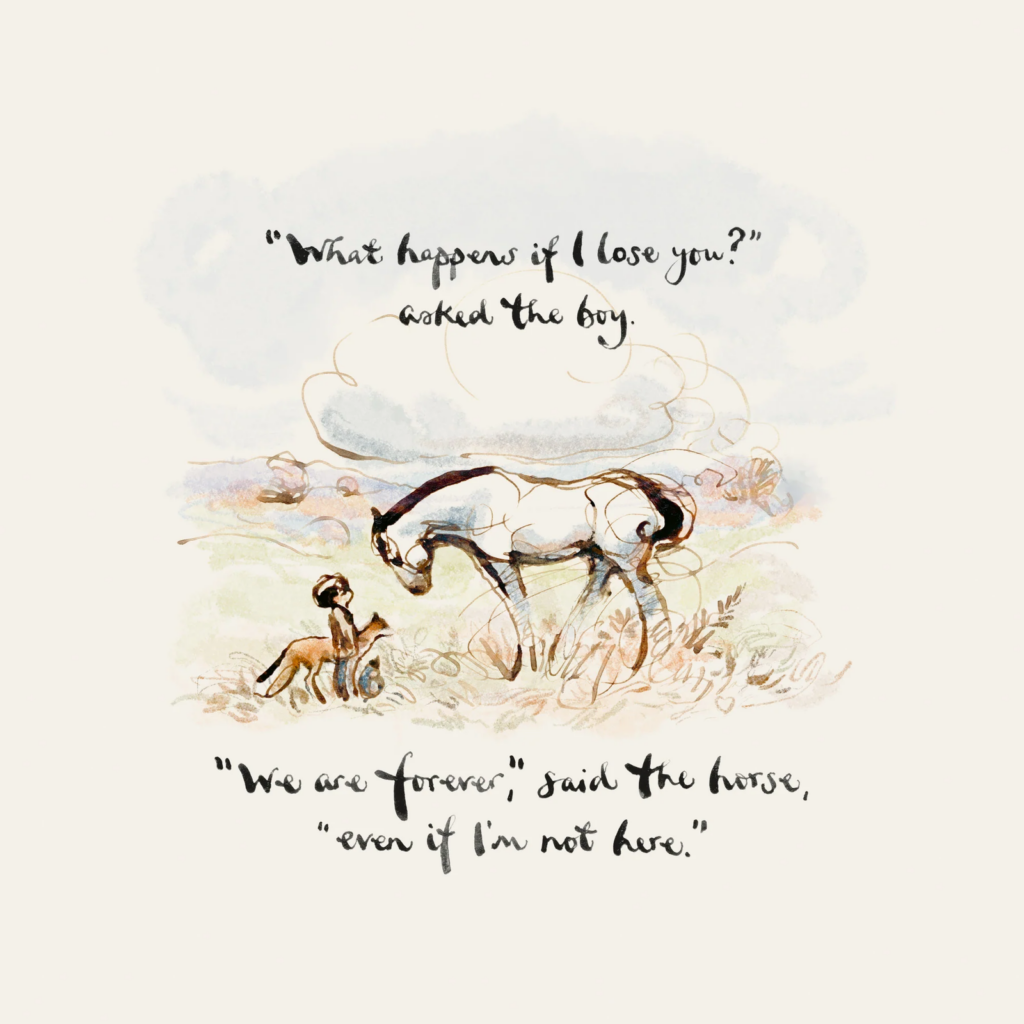
We’re the ones holding the timeline, the memories, and the “what ifs.” The horse isn’t carrying that weight.
It’s not about giving up early, it’s about not waiting until it’s too late.
Euthanasia is never a decision we take lightly. It is not done out of convenience or lack of options. It is chosen when there is no longer a path back to comfort, when holding on would mean asking them to endure more than they should.
There’s no perfectly “right” day—only a thoughtful, humane choice based on quality of life. The “Let them go on a good day” philosophy embodies this compassionate focus on our horses’ quality of life.
It is one of the hardest choices we make, love naturally pushes us to hold on. But it is also one of the most selfless. We carry the heartbreak so they don’t have to carry the pain.
Thank you for loving these horses with us, and for trusting us to always put their well-being first.
Steps for Coping
- Connect with Others: Talk with fellow horse people who understand the unique bond.
- Memorialize Your Horse: Create a lasting tribute, such as a photo album, a memorial garden, or keeping a memento like a horseshoe or tail hair.
- Adjust Your Routine: The empty space in the barn is difficult. Decide if you need a break from the barn or if staying involved in daily care helps you heal.
- Seek Professional Support: Grief counseling can provide a safe space to process the loss.
When to Seek Help
If the grief feels overwhelming, and you find it hard to function, reach out to a professional counselor or a specialized pet loss support service.
If you need help coping with loss of an equine, visit Facebook Page HVC: Coping With the Loss of a Horse, Support Group.
https://www.facebook.com/groups/hvccopingoriginal
Key Takeaways
- The philosophy of ‘Let Them Go On a Good Day’ emphasizes timely euthanasia to avoid unnecessary suffering for horses.
- Choosing a good day allows for a peaceful environment, ensuring a calm and familiar farewell over a traumatic crisis moment.
- Horses live in the present; they do not anticipate future pain, making it crucial to act before their condition worsens.
- Euthanizing on a good day preserves the horse’s dignity and spares them from distressing end-of-life scenarios.
- Coping steps include connecting with others, memorializing the horse, adjusting routines, and seeking professional support if needed.